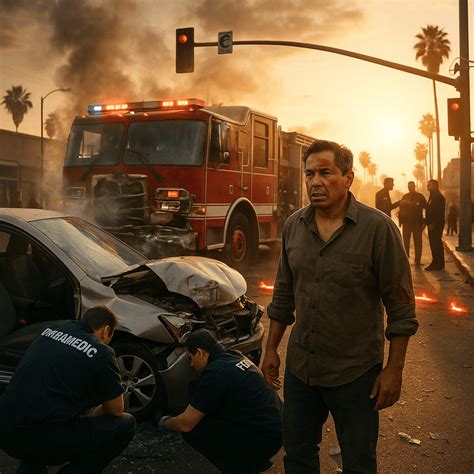

Insteadlaw - When an emergency vehicle, like a police car or an ambulance, is involved in an accident, things can get really complicated. These vehicles are on a mission, often speeding to save lives or catch criminals. But what happens when their urgent journey takes a turn for the worse and they collide with another vehicle?
Understanding fault in these situations is tricky because emergency vehicles have special privileges on the road. They can usually disregard traffic signals and speed limits when responding to an emergency. This means the usual rules of the road don't always apply in the same way.
What Defines an Emergency Vehicle?
First off, let's be clear about what we mean by an 'emergency vehicle.' This isn't just any car with a flashing light. The context provided highlights that an **EMERGENCY** is an unforeseen combination of circumstances that calls for immediate action. For a vehicle to be considered an emergency vehicle in transit, it's typically responding to such a situation.
This includes police cars, fire trucks, and ambulances, among others. They're usually equipped with lights and sirens to alert other drivers of their presence and the urgency of their mission. It's this urgency that allows them certain liberties, but it also adds a layer of complexity when accidents happen.
The Special Privileges of Emergency Vehicles
Emergency vehicles often operate under specific laws that grant them exemptions from standard traffic rules. This is crucial for them to effectively perform their duties, which often involve saving lives or responding to critical incidents.
For example, they can often proceed through red lights or stop signs, and they're usually allowed to exceed the posted speed limits. However, these privileges aren't a free pass to drive recklessly. They still have a duty to operate their vehicles with a reasonable degree of care.
Determining Fault: It's Not Always Black and White
When an emergency vehicle accident occurs, determining who is at fault isn't as simple as pointing fingers. Investigators have to consider several factors to figure out what went wrong. It's a complex puzzle with many pieces.
The primary question is often whether the emergency vehicle was operating with its emergency lights and sirens activated. This is usually a key indicator that the driver was responding to an emergency and utilizing their special privileges. Without these, the driver is expected to follow normal traffic laws.
The Role of Lights and Sirens
The presence and activation of lights and sirens are critically important. When these are on, other drivers are legally obligated to yield the right-of-way. Failing to do so can shift the blame significantly.
However, even with lights and sirens on, the emergency vehicle operator still has a responsibility. They can't just assume other drivers will see them or react instantly. They must still exercise caution and avoid willful or wanton disregard for safety.
Driver Negligence vs. Emergency Response
Fault can lie with the emergency vehicle driver if they were negligent in their operation. This could include speeding excessively without necessity, driving recklessly, or failing to yield when reasonably possible.
Conversely, fault can also lie with the other driver if they failed to yield to an activated emergency vehicle or were otherwise negligent. This might involve running a red light when an emergency vehicle was approaching or making an unsafe lane change.
Investigating an Emergency Vehicle Accident
Accidents involving police cars or ambulances require a thorough investigation. This often involves law enforcement agencies, accident reconstruction experts, and sometimes even internal affairs for the emergency service involved.
Investigators will gather evidence, interview witnesses, review dashcam footage, and examine the scene of the accident. All this information is pieced together to build a clear picture of the events leading up to the collision.
Evidence Collection and Analysis
Key evidence includes the condition of the vehicles, skid marks, debris fields, and any available surveillance or dashcam footage. The logged data from the emergency vehicle, such as speed and the activation of lights and sirens, is also crucial.
Analyzing this data helps determine if the emergency vehicle operator was acting within their legal allowances or if they contributed to the accident through their actions or inactions. Understanding the sequence of events is paramount.
Witness Testimony and Dashcam Footage
Witness accounts can provide valuable context, but they're often supplemented by more objective evidence. Dashcam footage from the emergency vehicle, other vehicles, or nearby surveillance cameras can offer an unbiased look at the incident.
This visual evidence is often the most compelling in determining fault, as it shows exactly what happened from a specific perspective. It helps corroborate or refute witness statements and the claims of the drivers involved.
Legal Implications and Liability
The determination of fault has significant legal consequences. If an emergency vehicle is found to be at fault, the government agency operating that vehicle could be held liable for damages. This often involves navigating sovereign immunity laws, which can protect government entities from lawsuits.
If the other driver is found at fault, they will likely be responsible for compensating the emergency service for damages to their vehicle and potentially any lost operational time. They could also face traffic citations or criminal charges depending on the severity of their negligence.
Civil vs. Criminal Liability
Civil liability deals with compensation for damages, like vehicle repairs or medical bills. This is where insurance companies and lawsuits come into play. The goal is to make the injured party whole.
Criminal liability arises when the actions of a driver are so reckless or intentional that they warrant criminal charges. This could range from traffic infractions to more serious offenses like vehicular manslaughter if there were fatalities.
Understanding Sovereign Immunity
A significant hurdle in lawsuits against government agencies is sovereign immunity. This legal doctrine generally protects governmental bodies from being sued without their consent. However, there are exceptions, particularly when governmental employees are found to be negligent in their actions.
Navigating these laws requires specialized legal knowledge. The specifics of the accident and the jurisdiction's laws on sovereign immunity will heavily influence the outcome of any legal proceedings.
Preventing Emergency Vehicle Accidents
Preventing these types of accidents is a top priority for all emergency services. It involves rigorous training for drivers and a constant awareness of the unique challenges of operating in high-stress environments.
Public education also plays a role. Drivers need to understand their responsibilities when they see or hear an emergency vehicle approaching. Knowing how to react safely can prevent devastating collisions.
Training and Protocols for Drivers
Emergency vehicle operators undergo extensive training that goes beyond basic driving skills. They learn defensive driving techniques, how to manage high-speed pursuits, and the importance of situational awareness.
Strict protocols are in place regarding the use of lights and sirens, speed limits, and approaching intersections. These guidelines are designed to balance the need for speed with the imperative to ensure safety for everyone on the road.
The Public's Role in Safety
As drivers, we have a crucial role to play. When you hear sirens or see flashing lights, it's essential to react promptly and safely. This usually means pulling over to the right side of the road and stopping until the emergency vehicle has passed.
Distracted driving is a major contributor to accidents. Keeping your attention on the road and being aware of your surroundings can make a huge difference, especially when emergency vehicles are around. It's not just about protecting yourself; it's about ensuring these life-saving vehicles can reach their destinations.
Frequently Asked Questions (FAQ)
Who is usually at fault in an emergency vehicle accident?
Fault in an emergency vehicle accident is complex and depends heavily on the circumstances. Investigators look at whether the emergency vehicle's lights and sirens were active, the speed and manner of operation, and whether other drivers failed to yield the right-of-way. Both the emergency vehicle operator and other drivers can share or hold sole fault.
Do emergency vehicles have to follow traffic laws?
When responding to an emergency with lights and sirens activated, emergency vehicles are typically granted exemptions from certain traffic laws, like speed limits and stopping at red lights. However, they are still expected to operate with reasonable care and not endanger others.
What should I do if I see or hear an emergency vehicle approaching?
You should safely pull over to the right side of the road and stop, allowing the emergency vehicle to pass. Avoid sudden movements and stay alert until the emergency vehicle is well past you.
Can a police car or ambulance driver be sued for an accident?
Yes, in certain situations. While government agencies may have some protection under sovereign immunity, negligence by an emergency vehicle operator can lead to liability for the operating agency. The specifics of the law and the accident's details are critical.
What kind of evidence is important in an emergency vehicle accident investigation?
Important evidence includes dashcam footage from all vehicles, witness statements, vehicle damage assessments, skid mark analysis, and data logs from the emergency vehicle itself (like speed and activation of lights/sirens).
Written by: Olivia Anderson