
Insteadlaw - When a commercial vehicle is involved in a crash, things can get complicated, especially when it comes to compensation. You've probably heard the term "commercial vehicle" thrown around, and it basically refers to any vehicle used for business purposes – think delivery trucks, semi-trailers, company cars, and so on. These vehicles are out there making money by buying and selling things, or providing services, and when they're in an accident, the stakes can be much higher than your average car crash.
One of the biggest factors determining how much you can recover after such an incident is understanding commercial vehicle crash compensation policy limits. It's a pretty crucial concept to get your head around, and we're going to break it down for you in plain English, no confusing jargon allowed.
What Exactly Are Policy Limits?
In simple terms, policy limits are the maximum amount of money an insurance company will pay out for a covered claim. It's like a cap on what the insurance company is on the hook for. Think of it as the ceiling of the compensation you could potentially receive from that specific insurance policy.
Every insurance policy, whether it's for your personal car or a giant semi-truck, has these limits. They are usually set for different types of damages, like bodily injury, property damage, and sometimes even uninsured/underinsured motorist coverage.
Why Do Commercial Vehicles Have Different Limits?
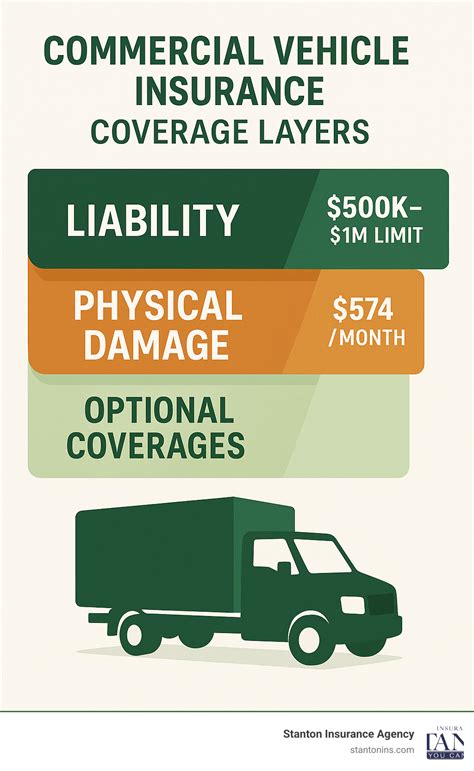
Commercial vehicles are generally used more extensively and can cause significantly more damage than smaller passenger cars. Because of this increased risk, commercial auto insurance policies often have much higher policy limits. It’s a reflection of the potential for larger-scale damage and injuries these vehicles can inflict.
The definition of "commercial" in this context really boils down to usage. If a vehicle is used in the process of making money, buying and selling, or transporting goods or people for a business, it falls under this umbrella. This is why a delivery van has different insurance considerations than your personal SUV.
Bodily Injury Liability Limits
This is probably the most important type of coverage when it comes to crashes involving serious injuries. Bodily injury liability limits dictate the maximum amount the insurance company will pay for medical expenses, lost wages, pain and suffering, and other related costs for people injured in an accident caused by the commercial vehicle.
These limits are often presented as two numbers. For example, a policy might have limits of $100,000/$300,000. The first number ($100,000) is the maximum the insurer will pay for injuries to any single person in an accident. The second number ($300,000) is the maximum the insurer will pay for all injuries combined to everyone involved in the accident.
Property Damage Liability Limits
Alongside bodily injury, property damage is another critical area covered by insurance. Property damage liability limits refer to the maximum amount the insurance company will pay to repair or replace any property damaged in an accident caused by the commercial vehicle. This can include other vehicles, buildings, fences, or anything else that gets damaged.
These limits are usually stated as a single dollar amount. For instance, a policy might have a property damage liability limit of $50,000. This means the insurance company won't pay more than $50,000 to cover all the property damage from that one crash.
Why Understanding Your Own Policy Limits Matters
If you own or operate a commercial vehicle, knowing your policy limits is absolutely essential. It helps you ensure you have adequate coverage to protect your business from devastating financial losses in the event of a crash. Underinsuring yourself can lead to bankruptcy if a severe accident occurs.
On the flip side, if you've been injured or had your property damaged by a commercial vehicle, understanding the *other party's* policy limits is equally vital. It gives you a realistic expectation of the maximum compensation you might be able to receive from their insurance.
What Happens If Damages Exceed Policy Limits?
This is where things can get tricky. If the total damages from a commercial vehicle crash exceed the policy limits of the at-fault party, the injured party might not receive full compensation from the insurance alone. In such cases, you might need to pursue the owner or driver of the commercial vehicle personally for the remaining amount.
This is why having robust insurance coverage is so important for commercial operators. It acts as a shield for their personal assets. For those seeking compensation, it highlights the importance of thoroughly investigating all potential sources of recovery.
Factors Influencing Commercial Policy Limits
Several factors go into determining the policy limits for commercial vehicles. The type of vehicle is a major one; a large semi-truck poses a much greater risk than a small delivery van. The industry the business operates in also plays a role, as some industries inherently carry higher risks.
The company's claims history, their geographic operating area, and the state's minimum insurance requirements all contribute to setting appropriate coverage levels. Regulators often mandate minimum coverage amounts, but these are frequently far below what's actually needed for adequate protection.
The Role of a Commercial Vehicle Accident Attorney
Navigating the complexities of commercial vehicle crash compensation can be overwhelming. An experienced attorney specializing in these types of cases can be an invaluable asset. They understand the nuances of commercial insurance policies and how to pursue fair compensation.
These legal professionals can help you identify all responsible parties, gather crucial evidence, negotiate with insurance adjusters, and, if necessary, represent you in court. Their expertise is often essential when dealing with high-value claims involving commercial vehicles.
Common Types of Commercial Vehicles and Their Risks
Let's touch on a few common types of commercial vehicles and why their policy limits are often higher. Delivery vans, used by businesses for local deliveries, can still cause significant damage, especially in busy urban areas. Their policy limits will reflect the increased risk of frequent use and potential for collisions.
Heavy trucks, like semi-trailers and big rigs, are in a class of their own. Due to their size, weight, and the sheer amount of cargo they can carry, crashes involving these vehicles can be catastrophic. Consequently, their commercial vehicle crash compensation policy limits are typically the highest, often running into millions of dollars.
Learning More About Your Specific Situation
Ultimately, understanding commercial vehicle crash compensation policy limits is crucial for both commercial operators and individuals involved in accidents with them. It’s about ensuring fair outcomes and protecting businesses from financial ruin.
If you're a business owner, review your current policy with your insurance agent regularly. If you've been involved in an accident, don't hesitate to seek legal advice to understand your rights and the compensation you may be entitled to. It's a complex area, but knowledge is your best tool.
Frequently Asked Questions About Commercial Vehicle Policy Limits
What is the minimum insurance requirement for commercial vehicles?
Minimum insurance requirements vary significantly by state and by the type of commercial vehicle. Federal regulations also set certain minimums for interstate commercial carriers. These minimums are often quite low and may not be sufficient to cover serious accidents.
Can I sue a commercial vehicle driver personally if their insurance limits are too low?
Yes, if the damages from an accident exceed the commercial vehicle's insurance policy limits, you may be able to pursue a personal lawsuit against the driver or the company that owns the vehicle to recover the remaining damages. This is often a complex legal process.
How do I find out the policy limits of the commercial vehicle that hit me?
Your attorney can assist you in obtaining this information. Typically, you would need to provide details about the accident and the involved commercial vehicle to the insurance company, and your legal representative will handle the communication to request policy details.
Are "commercial" products always purchased by businesses?
The definition of "commercial" often relates to its use in commerce – meaning it's involved in making money, buying, or selling things. While many commercial products are bought by businesses, some can be purchased by individuals if they intend to use them for commercial purposes. For example, an individual might buy a van to start a delivery service.
What is the difference between commercial auto insurance and personal auto insurance?
Commercial auto insurance is designed for vehicles used for business purposes and typically offers higher coverage limits and broader protection than personal auto insurance, which is intended for personal use. The risks associated with commercial vehicles are generally higher, necessitating more robust coverage.
Written by: James Wilson