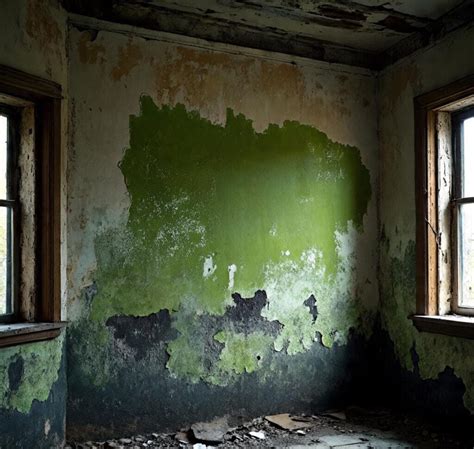

Insteadlaw - Hey there! Let's talk about something that can seriously mess up your day, and your health: toxic mold in commercial properties. You know, those places where businesses operate, where people work, shop, or do business. When mold takes over, it's not just an eyesore; it can be a real health crisis, and you might need a commercial property toxic mold exposure attorney in your corner.
So, what exactly are we talking about when we say 'commercial property'? Think of any building or space used for business purposes – offices, retail stores, warehouses, restaurants, even apartment complexes (though residential is a bit different). The key thing here is that it's all about making money, buying, selling, and conducting business operations. That's the 'commercial' part.
The Hidden Danger: What is Toxic Mold?
Toxic mold, often referred to as black mold or Stachybotrys chartarum, isn't just any old mold. It's a type of mold that produces mycotoxins, which are dangerous substances that can cause a range of health problems. These molds thrive in damp, humid environments, and they can grow surprisingly fast if the conditions are right.
You might be wondering how it gets into commercial buildings. Leaks from faulty plumbing, roofs, or windows are common culprits. Poor ventilation and inadequate moisture control in HVAC systems can also create the perfect breeding ground. Sometimes, it's a result of construction defects or a lack of proper maintenance.
When Does Mold Become a Legal Issue?
Most of the time, a little bit of mold is just a nuisance. But when it becomes widespread, especially toxic mold, and the property owner knew or should have known about it but failed to act, it can turn into a legal nightmare. This is where your rights come into play, and where you might need to seek legal counsel.
If you've been exposed to toxic mold in a commercial setting and have suffered health issues, you might have a claim. This could be because you're an employee who works in a mold-infested office, a customer who frequented a contaminated store, or even a business owner whose operations are being affected.
Who Is Responsible for Mold in Commercial Properties?
Determining responsibility is a crucial step. Typically, the owner or manager of the commercial property has a duty to maintain a safe environment for tenants, employees, and visitors. This includes addressing known or reasonably discoverable hazards like toxic mold infestations.
However, it can get complicated. Was the mold a pre-existing condition? Did a tenant's actions contribute to the mold growth? These are questions a skilled attorney will investigate thoroughly.
The Role of a Commercial Property Toxic Mold Exposure Attorney
So, why do you need a specialized attorney for this? Well, toxic mold cases are complex. They involve understanding property law, landlord-tenant rights, and personal injury claims, all while dealing with the scientific aspects of mold and its health effects. A specialized attorney knows the ins and outs of these types of cases.
They'll help you understand your legal options, gather evidence (like inspection reports, medical records, and witness testimonies), and negotiate with insurance companies or opposing legal teams. Their goal is to get you the compensation you deserve for your damages.
What Kind of Damages Can You Claim?
The damages you might be able to recover can be substantial. This includes compensation for your medical bills, both past and future, for treatments related to your mold exposure. It can also cover lost wages if you've had to miss work due to illness or recovery.
Beyond financial losses, you might also be compensated for pain and suffering, emotional distress, and the loss of enjoyment of life. If the mold has damaged your property (like personal belongings), that can also be part of your claim.
Proving Your Case: What's Needed?
Building a strong case requires solid evidence. This often starts with proving the presence of toxic mold in the commercial property. You'll need documentation of the mold itself, like professional inspection reports and clear photographs or videos.
Equally important is proving that the mold caused your health issues. This usually involves detailed medical records and opinions from doctors who can link your symptoms directly to toxic mold exposure. Your attorney will be instrumental in collecting and presenting this crucial evidence.
When to Seek Legal Help: Red Flags
Don't wait too long to reach out to an attorney. There are time limits, called statutes of limitations, for filing lawsuits, and these vary by state. If you suspect toxic mold exposure in a commercial property and are experiencing health problems, it's wise to consult with a lawyer sooner rather than later.
Key red flags include persistent health symptoms like respiratory problems, headaches, skin rashes, or fatigue that seem to improve when you leave the property. Also, if you've reported mold issues to the property owner and they've been ignored or inadequately addressed, that's a significant indicator that legal action might be necessary.
Choosing the Right Attorney
Selecting the right commercial property toxic mold exposure attorney is a big decision. Look for lawyers who have specific experience in toxic mold litigation and commercial property disputes. Check their track record and read client testimonials if available. A good attorney will be communicative, transparent, and genuinely invested in your case.
Many attorneys offer free initial consultations, which is a great way to discuss your situation without any upfront cost. This allows you to get a feel for their expertise and decide if they're the right fit for you. Remember, you're looking for someone who can navigate the complexities of the law and fight for your rights.
Steps to Take After Suspected Exposure
If you believe you've been exposed to toxic mold in a commercial setting, take immediate steps. First and foremost, prioritize your health. Consult a doctor and inform them about your potential mold exposure. Keep detailed records of all medical visits, diagnoses, and treatments.
Next, document everything related to the property. Take clear photos and videos of the mold, note the dates and times, and keep copies of any communication you've had with the property owner or management about the issue. Then, contact an attorney to discuss your legal options and protect your rights.
The Bottom Line: Your Health and Rights Matter
Living or working around toxic mold in commercial properties is unacceptable and can have serious long-term consequences. Property owners have a responsibility to provide safe environments, and when they fail, victims deserve justice. A dedicated commercial property toxic mold exposure attorney can be your most valuable ally in this fight.
Don't let negligence put your health and well-being at risk. Understanding your rights and knowing when to seek professional legal help is the first step toward a healthier future and fair compensation. It’s about holding responsible parties accountable and ensuring such situations are prevented in the future.
Frequently Asked Questions (FAQ)
Can I sue a landlord for mold in my commercial space?
Yes, you generally can sue a landlord for mold in your commercial space if it can be proven that the mold caused damages (like health issues or business disruption) and the landlord was negligent in addressing the issue. This often depends on the terms of your lease and local laws regarding property maintenance and habitability.
How do I prove toxic mold caused my illness?
Proving the link between toxic mold and your illness usually requires a combination of evidence. This includes professional mold inspection reports identifying the type and extent of mold, detailed medical records from doctors who diagnose your symptoms, and expert medical opinions that establish a causal connection between your specific health problems and exposure to mycotoxins produced by the mold.
What is considered a 'commercial property' in legal terms?
In legal terms, a commercial property is any real estate that is used for business purposes, aimed at generating profit. This includes buildings like offices, retail stores, shopping malls, restaurants, hotels, warehouses, and industrial facilities. The definition centers around the property's use in activities related to trade, commerce, or business operations, as opposed to personal or residential use.
How long do I have to file a mold lawsuit?
The time limit for filing a mold lawsuit is determined by the statute of limitations, which varies significantly by state and the specific type of claim (e.g., personal injury, breach of contract). Generally, there's a limited window of time after the injury or damage occurs to file a claim. It's crucial to consult with an attorney as soon as possible to understand the specific deadlines applicable to your situation.
Written by: John Smith