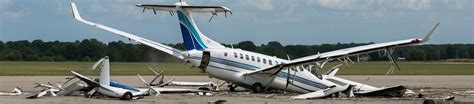

Insteadlaw - When a private charter flight crashes, it's a devastating event for everyone involved. The aftermath can be incredibly complex, especially when it comes to understanding your rights and seeking rightful compensation. That's where an experienced aviation accident lawyer specializing in private charter crashes becomes absolutely essential. These lawyers understand the unique intricacies of aviation law and can guide you through the often-difficult process of pursuing a claim.
It's not just about the immediate tragedy; there are many layers of investigation and legal proceedings that follow. You'll likely be dealing with insurance companies, aircraft manufacturers, maintenance providers, and possibly even regulatory bodies. Having a legal expert in your corner ensures that your interests are protected every step of the way.
Understanding the Causes of Private Charter Crashes
Aviation accidents, including those involving private charters, can stem from a variety of factors. These aren't usually simple, isolated incidents. Instead, they often involve a chain of events that can be challenging to unravel.
One common area of investigation involves pilot error. This could include issues like fatigue, lack of experience in specific conditions, or poor decision-making during flight. However, it's crucial to remember that pilot error itself can sometimes be a symptom of other underlying problems, like inadequate training or pressure from an operator.
Mechanical Failures and Maintenance Issues
Another significant contributor to crashes can be mechanical failures. This could range from a critical engine malfunction to a problem with the flight control systems. These failures often point towards potential negligence in the manufacturing or maintenance of the aircraft.
The maintenance history of a private charter aircraft is a key piece of evidence. If proper inspections weren't conducted, or if faulty parts were used, this can be a strong basis for a legal claim. Your aviation lawyer will meticulously examine maintenance logs and records.
The Role of Air Traffic Control and Weather
Air traffic control plays a vital role in ensuring safe skies, but errors can happen. Miscommunication, incorrect instructions, or failure to provide critical information can contribute to an accident. The complexities of air traffic management systems are a significant area for legal review.
Weather is also an undeniable factor in aviation safety. Unexpected severe weather, or flying into conditions that were not adequately forecast, can create perilous situations. Information from systems like the "Info Sistem of Indonesian Aviation Meteorology Sistem Informasi Meteorologi Penerbangan" highlights the importance of accurate weather data in aviation.
This Indonesian system, focused on aviation meteorology, emphasizes the crucial role of forecasting and monitoring weather for flight safety. It underscores how critical up-to-date and accurate meteorological information is for preventing accidents, especially in private charter operations where planning can be more fluid.
Why You Need a Specialized Aviation Accident Lawyer
The legal landscape surrounding aviation accidents is vastly different from typical car accident cases. There are specific federal and international regulations that govern aviation, and understanding these is paramount.
A lawyer who exclusively handles aviation accidents will have the specialized knowledge to navigate these complex regulations. They understand the nuances of the Federal Aviation Administration (FAA) in the US, or equivalent bodies elsewhere, and how these impact liability.
Investigating the Crash Site and Gathering Evidence
The initial hours and days after a crash are critical for evidence gathering. An experienced aviation accident lawyer will work with accident investigators to ensure that all crucial evidence is preserved. This includes wreckage, flight recorders (black boxes), and witness statements.
They will also coordinate with experts in fields like accident reconstruction, aviation mechanics, and meteorology. These experts help piece together exactly what happened and why, identifying all potential contributing factors and responsible parties.
Dealing with Insurance Companies
After a crash, insurance companies will likely be involved very quickly. Their primary goal is often to minimize payouts, and they have teams of adjusters and lawyers working towards that end. You need your own advocate to level the playing field.
An aviation accident lawyer will negotiate with the insurance companies on your behalf, ensuring that you receive fair compensation for all your losses. This includes medical expenses, lost income, pain and suffering, and in the tragic event of a fatality, compensation for the survivors.
The Legal Process for Private Charter Crash Claims
Filing a claim for a private charter crash involves several distinct stages. It's a marathon, not a sprint, and requires patience and expert guidance.
The first step is typically consultation with an aviation accident lawyer. They will assess the details of the crash, your potential claim, and explain your legal options. This initial consultation is usually free.
Filing the Lawsuit and Discovery
If a claim is pursued, a lawsuit will be filed. This officially begins the legal proceedings. The subsequent phase is called “discovery,” where both sides exchange information and evidence. This is where your lawyer will be actively gathering documents, taking depositions (sworn testimony), and working with experts.
This part of the process is thorough and can take a significant amount of time. It’s designed to uncover all relevant facts about the accident, including who or what was at fault.
Settlement Negotiations and Trial
Many aviation accident cases are resolved through settlement negotiations before they ever reach a courtroom. Your lawyer will use the evidence gathered during discovery to build a strong case for settlement.
However, if a fair settlement cannot be reached, your lawyer will be prepared to take your case to trial. They will present your case to a judge and jury, fighting for the maximum compensation you deserve.
Compensation in Private Charter Crash Cases
The types of compensation you can seek in an aviation accident claim are extensive. It's important to understand that these cases can be complex to value, and a lawyer’s expertise is crucial here.
Compensation can cover economic damages, such as all past and future medical bills, lost wages, and loss of earning capacity. If the accident resulted in a fatality, compensation can also include damages for the loss of financial support and companionship for the surviving family members.
Non-economic damages, often referred to as pain and suffering, are also a significant component. This accounts for the physical pain, emotional distress, and loss of enjoyment of life experienced by the victim. An aviation lawyer understands how to quantify these often-intangible losses effectively.
Choosing the Right Aviation Accident Lawyer
Selecting the right legal representation is one of the most critical decisions you'll make. Not all lawyers are equipped to handle the complexities of aviation law.
Look for a law firm with a proven track record of success in aviation accident litigation. They should have a deep understanding of aviation regulations, safety standards, and the specific challenges of private charter operations. Don't hesitate to ask about their experience with similar cases and their approach to investigation and litigation.
Ultimately, an aviation accident lawyer specializing in private charter crashes provides not just legal expertise, but also the emotional support and clear guidance needed during an incredibly difficult time. They are your advocates, working tirelessly to ensure justice is served and you receive the compensation you are rightfully owed.
Frequently Asked Questions (FAQ)
What should I do immediately after a private charter plane crash?
Your immediate priority should be your safety and seeking any necessary medical attention. Once it's safe, try to preserve any information you have related to the flight, like booking details or passenger manifests. It's also wise to avoid speaking extensively with insurance adjusters or company representatives without consulting legal counsel first.
How is fault determined in a private charter crash?
Fault is determined through a thorough investigation that examines multiple potential factors. This can include pilot error, mechanical failure, maintenance negligence, issues with air traffic control, aircraft design defects, or even adverse weather conditions that were not properly accounted for. Experts in aviation safety and accident reconstruction play a key role in this determination.
What kind of compensation can I expect from a private charter crash claim?
Compensation can cover a wide range of losses, including medical expenses (past and future), lost income and earning capacity, property damage, pain and suffering, emotional distress, and, in cases of fatality, wrongful death damages for surviving family members. The specific amount depends on the severity of injuries, extent of losses, and the details of the accident.
How long does an aviation accident claim typically take to resolve?
Aviation accident claims can be very complex and often take a considerable amount of time to resolve, sometimes years. The duration depends on the complexity of the investigation, the number of parties involved, and whether a settlement is reached or if the case proceeds to trial. An experienced lawyer can provide a more accurate timeline based on the specifics of your case.
What is the difference between a private charter crash and a commercial airline crash claim?
While both involve aviation accidents, private charter crashes often have different legal complexities. Private charters may involve fewer passengers, different types of aircraft, and potentially different operating and maintenance standards compared to large commercial airlines. Liability may also be more directly tied to the charter operator, aircraft owner, or specific maintenance providers rather than a large corporate entity.
Written by: David Thomas