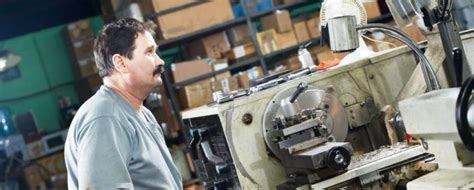

Insteadlaw - So, you've been injured because of a factory machine that went haywire? That's a tough situation, and you're probably wondering what your options are. When machinery malfunctions in a factory setting, it can lead to serious injuries, and often, the question of who's responsible pops up. This is where the concept of product liability comes into play, and having a good lawyer by your side can make all the difference.
We're going to dive deep into what product liability means in the context of factory machinery. We'll explore how it applies when a machine fails, what kind of evidence you'll need, and how a specialized lawyer can help you get the compensation you deserve. Think of this as your comprehensive guide to understanding your rights and the legal pathways available to you after such an incident. It's all about building a solid case and ensuring fairness.
What is Product Liability?
Product liability is a legal term that refers to the responsibility of a manufacturer or seller of a product for any injuries or damages that the product causes. This means that if a product is defective and harms someone, the company that made it, sold it, or even distributed it can be held accountable. It's a way to protect consumers and workers from unsafe products that hit the market.
The core idea behind product liability is that companies have a duty to ensure their products are safe for intended use. This duty extends to the design, manufacturing, and even the warnings or instructions that come with the product. If they fail to meet this standard, and someone gets hurt, legal action can be taken.
Factory Machinery: A Special Case
Factory machinery is a bit different from your everyday consumer product. These are complex pieces of equipment, often operating under high stress and demanding precise functionality. When a defect exists in such machinery, the consequences can be devastating, leading to severe injuries or even fatalities. Therefore, the product liability laws applied here are often stringent.
Think about it: these machines are the backbone of production. If one breaks down unexpectedly or functions erratically due to a flaw, it's not just an inconvenience; it's a potential disaster. The stakes are incredibly high for the people working around them every single day.
Types of Defects in Machinery
Product liability cases involving factory machinery typically fall into three main categories of defects. First, there are design defects, where the machine's blueprint itself is flawed, making it inherently unsafe. Second, manufacturing defects occur when a mistake is made during the production process, causing a specific unit to be faulty even if the design was sound.
Finally, there are marketing defects, which relate to a failure to provide adequate warnings or instructions about the potential dangers of the machinery. Even a perfectly designed and manufactured machine can be dangerous if users aren't properly informed about its risks or how to operate it safely. These three categories cover most scenarios where a machine causes harm.
When Does a Malfunction Lead to Liability?
A simple malfunction doesn't automatically mean a company is liable. The key is proving that the malfunction was caused by a defect that existed when the product left the manufacturer's or seller's control. You need to show that the machine was not misused and that the defect was the direct cause of your injury.
This is where evidence becomes crucial. Documentation of the machine's maintenance history, witness testimonies, and expert analysis of the faulty component are all vital. Proving this link is often the most challenging part of a product liability claim. Your lawyer will help you gather and present this evidence effectively.
The Role of an AI Coding Agent Context?
Now, you might be wondering, "What does AI coding have to do with a broken factory machine?" While it might seem unrelated at first glance, the context provided, "Build faster with AI coding agents. Factory Droids automate coding, testing, and deployment for startups and enterprises," hints at a modern industrial landscape. In today's factories, machinery is increasingly integrated with sophisticated control systems, often involving software. If a malfunction occurs due to a flaw in the software that controls the machinery, the principles of product liability can still apply.
For example, if an "AI coding agent" like those from "Factory Droids" was used to develop the software for a machine, and a bug in that software caused the machine to malfunction and injure someone, the company that developed or deployed that software could potentially be liable. This extends product liability into the realm of digital components that are now integral to industrial equipment.
Why You Need a Factory Machinery Malfunction Lawyer
Dealing with a product liability claim, especially involving complex machinery, is far from easy. These cases are often intricate, requiring a deep understanding of engineering, manufacturing processes, and the law. A specialized lawyer brings the expertise needed to navigate these complexities effectively.
They know how to investigate the incident, identify the responsible parties, gather critical evidence, and build a strong legal argument. They can deal with insurance companies and aggressive defense teams, allowing you to focus on your recovery. Their goal is to maximize your chances of a successful outcome.
What a Lawyer Can Do for You
A skilled product liability lawyer will start by thoroughly investigating the incident. This often involves visiting the accident site, examining the faulty machinery, consulting with engineering experts, and gathering all relevant documentation. They will meticulously build a case that clearly demonstrates the defect and its causal link to your injuries.
Furthermore, they will handle all legal proceedings, including filing the necessary paperwork, negotiating with the responsible parties and their insurers, and representing you in court if a settlement cannot be reached. Their experience ensures that your rights are protected at every step of the legal process.
Common Parties Liable in Machinery Cases
When a factory machine malfunctions, several parties could potentially be held responsible. The most obvious is the manufacturer of the machine itself. However, liability can also extend to the designers, component part manufacturers, distributors, and even the employer if they were negligent in maintaining the equipment or providing proper training.
Determining precisely who is liable often requires a detailed investigation. It could be a single entity or multiple parties contributing to the defect or the resulting harm. Your lawyer will work to identify all potentially liable parties to ensure you can seek full compensation.
Proving Your Case: Key Evidence
To win a product liability case, you need solid evidence. This includes detailed records of the machine's maintenance and repair history, as well as any prior incidents or complaints related to its performance. Photographs or videos of the faulty machine and the accident scene are also invaluable.
Crucially, you'll need expert testimony from engineers or accident reconstruction specialists who can explain the defect and how it caused the malfunction and your injury. Medical records documenting your injuries and the impact on your life are also essential components of your claim.
Seeking Compensation for Your Injuries
If you've been injured due to a defective factory machine, you may be entitled to significant compensation. This can include medical expenses, both past and future, lost wages due to your inability to work, and compensation for pain and suffering. It can also cover rehabilitation costs and any permanent disability you may have sustained.
The goal of a product liability lawsuit is to make you whole again, as much as possible, by recovering damages that reflect the full extent of your losses. A good lawyer will fight to ensure you receive fair compensation for all aspects of your injury.
The Importance of Acting Quickly
It's crucial to understand that there are time limits, called statutes of limitations, for filing product liability lawsuits. These deadlines vary by state and jurisdiction, and missing them can mean losing your right to seek compensation entirely. Therefore, it's essential to consult with a lawyer as soon as possible after an injury occurs.
The sooner you start the legal process, the better. This allows your lawyer ample time to investigate thoroughly, gather evidence before it's lost or altered, and file your claim well within the legal timeframes. Don't delay in seeking professional legal advice.
A Final Thought on Safety and Responsibility
Ultimately, these cases highlight the critical importance of safety in industrial settings. Manufacturers have a responsibility to produce safe products, and employers have a responsibility to maintain them and train their workers. When these responsibilities are not met, and someone gets hurt, the legal system provides a mechanism for recourse.
Understanding product liability is the first step towards securing justice. If you or someone you know has been a victim of a factory machinery malfunction, don't hesitate to seek expert legal counsel. They are your allies in navigating this challenging journey and ensuring your rights are upheld.
Frequently Asked Questions (FAQ)
- What is the difference between a design defect and a manufacturing defect in factory machinery?
A design defect means the machine's blueprint or conception was inherently unsafe, even if built perfectly. A manufacturing defect means an error occurred during the production process, making a specific unit faulty. - Can I sue my employer if a machine malfunction injured me?
Generally, workers' compensation is the primary avenue for on-the-job injuries. However, in some cases, if your employer's gross negligence or a third-party defect is involved, you might have additional legal options. - How long do I have to file a product liability claim for machinery malfunction?
This varies by state due to statutes of limitations. It's crucial to consult a lawyer immediately, as these timeframes can be as short as one or two years from the date of injury. - What kind of compensation can I expect in a machinery malfunction case?
Compensation can cover medical bills, lost wages, pain and suffering, rehabilitation costs, and compensation for any permanent disability. The exact amount depends on the severity of your injuries and losses. - Do I need an expert witness for my product liability case?
Yes, expert witnesses, such as engineers or accident reconstructionists, are often essential to explain complex technical issues about the machinery defect and how it caused the malfunction and your injury.
Written by: John Smith