
Insteadlaw - Hey there! Dealing with a spinal cord injury (SCI) is incredibly tough, and figuring out the financial side of things can feel like a whole other battle. It's a big deal, and understanding how a settlement is calculated is super important. We're going to break down the spinal cord injury settlement calculation breakdown for you, so you know what to expect.
When someone suffers a spinal cord injury, it's not just a temporary setback; it can be a life-altering event. The impact goes far beyond immediate medical bills, affecting a person's ability to work, their quality of life, and their overall well-being. Because of this, settlements for SCIs are often substantial, but calculating them involves looking at a lot of different factors.
What is a Spinal Cord Injury Settlement?
Basically, a settlement is an agreement between you (or your legal representative) and the party responsible for your injury. It's a way to resolve your claim without going to a full trial. The goal is to get you fair compensation for all the harm you've suffered because of the accident.
This compensation is meant to cover your past, present, and future losses. Think of it as a way to help you manage the lifelong changes a spinal cord injury can bring. It's a complex process, and having a good understanding of it can really empower you.
Key Components of a Spinal Cord Injury Settlement Calculation
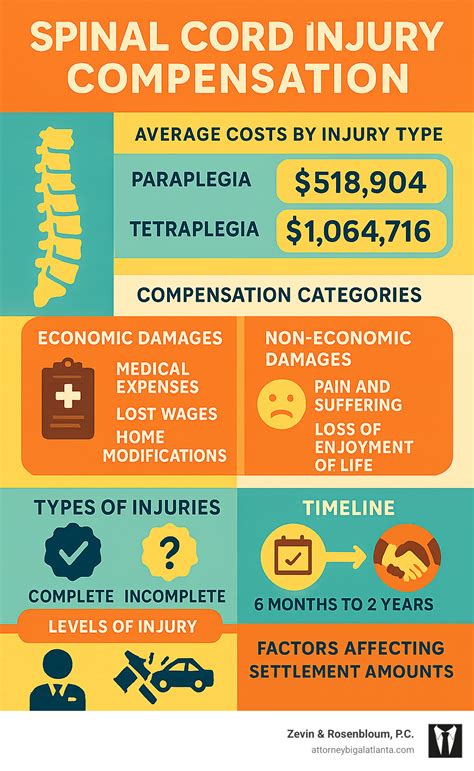
When lawyers and insurance adjusters start crunching numbers for an SCI settlement, they look at two main categories of damages: economic and non-economic. Each of these has several sub-components that contribute to the final figure.
These categories are designed to capture the full scope of the harm caused by the injury. It's not just about the immediate costs; it's about everything that has been, and will be, impacted by the injury.
Economic Damages: The Tangible Losses
Economic damages are the quantifiable financial losses you've experienced. These are usually easier to put a dollar amount on because there are receipts, bills, and official records to back them up. They are the concrete expenses stemming from the injury.
This includes things like medical bills, both past and future. For an SCI, this can be astronomical, covering hospital stays, surgeries, medications, physical therapy, occupational therapy, and necessary medical equipment like wheelchairs or adaptive vehicles.
Medical Expenses (Past and Future)
For past medical expenses, you'll gather all bills from doctors, hospitals, therapists, and pharmacies. It’s crucial to be thorough here to capture every cost incurred up to the point of settlement.
Future medical expenses are a huge part of SCI calculations. This involves projections by medical experts about the ongoing care, therapies, potential surgeries, and lifelong medical needs associated with the specific level and severity of the spinal cord damage.
Lost Wages and Earning Capacity
If your injury prevents you from working, you'll be compensated for lost income. This covers the wages you've already missed out on due to your injury.
More significantly for SCIs, there's the loss of earning capacity. This considers how your injury will affect your ability to earn money in the future. If you can no longer do your previous job or any other work, this loss can be substantial.
Home Modifications and Assistive Devices
Living with an SCI often requires significant modifications to your home and the purchase of specialized equipment. This could mean ramps, accessible bathrooms, lifts, or specialized vehicles.
The cost of these modifications and devices is factored in. These aren't one-time expenses; sometimes, they need maintenance or upgrades over time, which also needs to be considered.
Non-Economic Damages: The Intangible Losses
Non-economic damages are often referred to as pain and suffering. These are the more subjective, harder-to-quantify losses that have a profound impact on your life. They acknowledge the human cost beyond the financial statements.
While they don't have a direct bill attached, they are just as real and often form a significant portion of the settlement. These are the aspects that make life difficult in ways that money can't fully fix, but compensation can help ease the burden.
Pain and Suffering
This covers the physical pain and mental anguish you've endured and will continue to endure. It's about the discomfort, the agony, and the emotional distress caused by the injury and its consequences. It’s a direct acknowledgment of the daily struggles.
The severity and duration of the pain are considered, as well as how it affects your daily activities and overall quality of life. This can include everything from constant discomfort to severe episodes of pain.
Loss of Enjoyment of Life
A spinal cord injury can strip away the simple pleasures and activities that once brought joy. This damage accounts for the inability to participate in hobbies, sports, or social activities that were once part of your life.
It’s about recognizing that life isn't just about survival; it's about living fully. Losing the ability to do things you love can be devastating, and settlements aim to acknowledge this loss.
Emotional Distress and Mental Anguish
Beyond physical pain, SCIs can lead to significant emotional and psychological challenges. This includes depression, anxiety, fear, and post-traumatic stress. These are serious mental health impacts that deserve compensation.
The ongoing emotional toll can be just as debilitating as the physical aspects of the injury. Therapy and mental health support are often necessary and are factored into this category.
Loss of Consortium
This applies to the impact of the injury on the victim's relationships, particularly with their spouse. It covers the loss of companionship, affection, support, and intimacy. It's about acknowledging the strain the injury puts on marital and family bonds.
For example, if the injured party can no longer provide emotional support or engage in shared activities with their spouse, this loss is recognized. It's a recognition of the broader impact on the family unit.
Factors Influencing the Settlement Amount
Several crucial factors can significantly influence the final settlement amount for a spinal cord injury. It's not a one-size-fits-all calculation; each case is unique.
The specifics of the injury itself, along with the circumstances of the accident, play a huge role. Evidence and the strength of your legal team are also vital components. These elements combine to shape the potential outcome of your case.
Severity and Level of Injury
The higher the injury on the spinal cord, the more severe the impact and the higher the potential settlement. Injuries that result in paralysis (quadriplegia or paraplegia) will naturally lead to higher compensation than less severe nerve damage.
The extent of motor and sensory function loss is meticulously assessed by medical professionals. This detailed medical analysis is a cornerstone of the calculation process.
Prognosis and Long-Term Care Needs
The long-term outlook for the injured individual is a critical consideration. Will they recover any function? What are their lifelong care requirements?
Projections from doctors and life care planners about future medical treatments, therapy needs, and necessary assistance are vital. These forecasts help determine the ongoing financial burden.
Evidence and Documentation
The strength of the evidence supporting your claim is paramount. This includes medical records, expert testimony, accident reports, and witness statements. Robust documentation is key.
Without solid proof of the injury, its cause, and its impact, it's much harder to negotiate a fair settlement. Your legal team will focus heavily on gathering and presenting this evidence effectively.
Liability and Fault
Who was at fault for the accident? The degree to which the other party is deemed responsible will directly affect the settlement amount. In cases with shared fault, the compensation may be reduced.
Establishing clear liability is often the first hurdle in any personal injury case. This involves proving that the other party's negligence directly caused your injuries.
Jurisdiction and Legal Precedents
The laws in the state or jurisdiction where the accident occurred can influence settlement calculations. Some areas are known for higher damage awards than others.
Legal precedents, which are past court decisions in similar cases, can also guide negotiators and judges in determining fair compensation. Understanding these local legal landscapes is important.
The Role of Experts in Calculation
Calculating an SCI settlement isn't something you typically do alone. Experts are brought in to provide crucial insights and professional opinions that form the basis of the claim. They provide the objective data needed to justify the settlement amount.
These experts lend credibility to your claims and help the insurance companies and courts understand the full impact of the injury. Their reports and testimony are often the backbone of the negotiation process.
Medical Experts
Physicians, neurologists, and rehabilitation specialists provide detailed assessments of the injury, its current status, and its long-term effects. They document the medical necessity of treatments and predict future medical needs.
Their reports help establish the extent of the physical and neurological damage, which directly influences the calculation of damages.
Life Care Planners
These professionals create detailed plans outlining the lifetime care needs of an individual with a spinal cord injury. This includes medical care, therapy, equipment, personal assistance, and housing modifications.
Their comprehensive plans provide a clear financial roadmap for the victim's future, justifying the need for substantial compensation for lifelong care.
Vocational Experts
Vocational experts assess how the injury impacts the individual's ability to work. They evaluate past job history, transferable skills, and the job market for individuals with specific disabilities.
Their findings help quantify the loss of earning capacity, which is often a significant component of an SCI settlement. They determine what jobs, if any, the injured person can now perform.
Economists
Economists may be consulted to calculate the present value of future economic losses. They factor in inflation, potential investment returns, and the lifespan of the individual to arrive at a lump-sum figure.
Their expertise ensures that future projected costs are accurately represented in today's dollars, providing a fair and realistic financial projection.
Negotiating and Reaching a Settlement
The process of calculating a settlement is just the first step. The real work often involves negotiation. It's a back-and-forth between your legal team and the insurance company or the liable party's representatives.
Your attorney will present a demand, supported by all the evidence and expert opinions, and the other side will likely make a counter-offer. This can involve multiple rounds of discussions and concessions.
Remember, the insurance company's goal is to pay out as little as possible. Your attorney’s job is to advocate for you and ensure you receive fair compensation for your injuries and losses. It's a process that requires patience and a strong negotiation strategy.
When to Seek Legal Counsel
If you or a loved one has suffered a spinal cord injury due to someone else's negligence, it's crucial to seek legal counsel as soon as possible. The complexities involved in calculating and negotiating these settlements mean that expert guidance is invaluable.
An experienced personal injury attorney will understand how to gather evidence, work with experts, and advocate for your best interests. They can make a significant difference in the outcome of your case, helping you navigate this challenging journey and secure the compensation you deserve.
Frequently Asked Questions About Spinal Cord Injury Settlements
It's totally normal to have a lot of questions when you're going through something like this. We've put together some common ones to help clear things up for you.
Understanding these points can really help ease some of the stress and uncertainty you might be feeling right now. We're here to provide clarity and support.
What's the average settlement amount for a spinal cord injury?
There's no single "average" amount because every SCI case is so different. Settlements can range from tens of thousands to millions of dollars, depending on the severity of the injury, the level of paralysis, the victim's age, and the extent of their losses.
Factors like the victim's earning capacity before and after the injury, as well as the ongoing medical and care needs, play a massive role. It’s really about the unique circumstances of each case.
How long does it take to settle a spinal cord injury case?
Settling an SCI case can take a long time, often several years. This is because it takes time to understand the full extent of the injury, gather all medical records, get expert reports, and allow for medical treatment to stabilize.
The legal process itself, including investigations, negotiations, and potentially litigation, can also be lengthy. It’s a marathon, not a sprint, so patience is key.
Can I settle my SCI case without a lawyer?
While it's technically possible to settle without a lawyer, it's strongly not recommended for spinal cord injury cases. These are incredibly complex, and insurance companies are often represented by skilled adjusters and legal teams whose primary goal is to minimize payouts.
An experienced attorney will have the knowledge, resources, and negotiation skills to fight for the maximum compensation you are entitled to. They level the playing field and protect your rights.
What happens if the settlement offer is too low?
If the settlement offer doesn't adequately cover your losses and needs, your attorney will likely advise you not to accept it. The next step would typically be to file a lawsuit and proceed towards trial.
Going to court is a more complex and time-consuming process, but it may be necessary to achieve a fair outcome if negotiations fail to reach a satisfactory agreement. Your legal team will guide you through this decision.
Navigating the complexities of a spinal cord injury settlement calculation can seem overwhelming. But by understanding the components, the influencing factors, and the importance of expert guidance, you can approach the process with more confidence. Remember, seeking legal advice is your best step towards securing the compensation you need to move forward.
The GameInput API, while unrelated to legal settlements, highlights how complex systems require consistent interfaces for ease of use. Similarly, understanding the consistent factors that go into calculating an SCI settlement provides a clearer path through a difficult situation.
Written by: William Clark