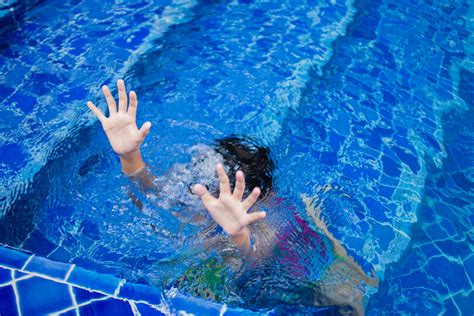

Insteadlaw - Hey there! Let's talk about something super important if you own or manage an apartment complex with a swimming pool: liability. Specifically, we're diving deep into the world of commercial pool drowning liability. It's a serious issue, but understanding it can help you keep everyone safe and protect your business.
When you have a pool at your apartment complex, you're essentially operating a commercial establishment that offers a recreational amenity. This means you've got responsibilities, and when things go wrong, like a drowning incident, the legal ramifications can be significant. We're not just talking about a backyard pool here; this is about a pool intended for use by multiple residents and their guests, which falls under the umbrella of commercial operations.
What Does "Commercial" Mean in This Context?
Before we get too far, let's clarify what "commercial" means when we're talking about your apartment complex pool. The definition points to activities related to making money or being available for purchase or use by the public. Even though your residents pay rent, which includes access to the pool, it's considered a commercial amenity. This distinction is key because it shifts the level of care and responsibility you, as the owner or operator, are expected to provide compared to a private, residential pool.
Think about it this way: the pool is part of the attractive package you offer to tenants, and it's a feature designed to generate revenue indirectly through higher occupancy rates and rental income. Therefore, the property owner has a heightened duty of care to ensure the safety of this "commercial" amenity.
Understanding Premises Liability
At the heart of commercial pool drowning liability is the concept of premises liability. This is the legal responsibility that property owners have to ensure their property is reasonably safe for people who are lawfully present on it. When it comes to a swimming pool, this duty of care is amplified, especially given the inherent risks associated with water.
It means you have to take reasonable steps to prevent foreseeable harm to your residents and their guests. If a drowning occurs, and it could have been prevented by taking reasonable safety measures, the apartment complex could be held liable for the damages.
Key Areas of Drowning Liability for Apartment Complexes
So, what specific things can lead to liability? It often boils down to negligence. If the complex owner or management failed to meet their duty of care, they could be found negligent.
This negligence can manifest in several ways, from inadequate safety equipment to poor supervision and maintenance. We'll break down some of the most common triggers for liability.
Inadequate Safety Features
One of the biggest areas of concern is the lack of proper safety features around the pool. This includes things like adequate fencing, secure gates that self-close and latch, and non-slip surfaces around the pool deck. These are not just suggestions; they are often legal requirements.
Fencing is particularly crucial. It's designed to prevent unsupervised access by children or individuals who might not be strong swimmers, significantly reducing the risk of accidental drownings. A broken fence or a gate that's often left ajar can be a major liability hotspot.
Lack of Proper Signage and Warnings
Clear and visible signage is another vital component of pool safety. This includes posting rules and regulations, such as no diving in shallow areas, no running on the deck, and the maximum occupancy limits. It also involves warning signs about the inherent dangers of swimming, especially for those who are not strong swimmers.
You also need to ensure that lifeguards are present during operating hours, if required by local regulations or if deemed necessary due to the pool's size and usage. The absence of a lifeguard when one should reasonably be present can be a direct contributor to liability in a drowning incident.
Insufficient Supervision and Staff Training
Even with great equipment, if there's no oversight, things can still go wrong. Apartment complexes have a responsibility to provide adequate supervision, especially during peak hours or at larger pool facilities. This might involve hiring trained lifeguards or at least having staff present who are trained in CPR and basic water rescue.
Staff training is paramount. Employees who are responsible for pool areas should know how to respond to emergencies, understand the safety protocols, and be able to enforce pool rules effectively. A lack of training can mean delayed or incorrect responses during a critical situation.
Preventable Drowning Scenarios
Many drowning incidents at apartment complex pools are, unfortunately, preventable. Understanding common scenarios can help owners proactively address risks.
For instance, a young child wandering into an unsecured pool area unsupervised is a tragedy that often stems from a failure in fencing or gate maintenance. Similarly, an adult who suffers a medical emergency while swimming might have a better chance of survival if trained staff are present and can react quickly.
The Role of Maintenance and Pool Condition
The physical condition of the pool and its surrounding area also plays a role. Cracked tiles, slippery surfaces, and inadequate lighting can all contribute to accidents. Even the water clarity is important; murky water can hide hazards and make it difficult to spot someone in distress.
Regular, thorough maintenance is not just about aesthetics; it's a critical aspect of safety and liability prevention. A well-maintained pool area demonstrates a commitment to resident safety, which can be a strong defense in a legal dispute.
Legal Recourse and What Happens After a Drowning
If a drowning incident does occur, the legal process can be complex. Investigations will likely focus on whether the property owner met their duty of care and if any negligence on their part contributed to the tragedy.
This might involve examining maintenance logs, safety inspection reports, witness statements, and local building codes. The goal is to determine fault and assign responsibility for the damages incurred, which can include medical expenses, lost wages, and pain and suffering.
The Importance of Comprehensive Insurance
Given the potential for significant financial and legal consequences, having robust insurance coverage is non-negotiable for apartment complex owners with pools. This includes adequate general liability insurance and potentially specific umbrella policies that can provide additional coverage.
Your insurance policy should be reviewed regularly to ensure it adequately covers the risks associated with operating a commercial swimming pool. It's your financial safety net in the event of a serious incident.
Proactive Steps to Mitigate Liability
The best defense against commercial pool drowning liability is proactive prevention. Implementing and consistently enforcing a comprehensive safety plan is crucial.
This involves regular safety audits, ensuring all safety equipment is in good working order, providing thorough staff training, and clearly communicating pool rules to residents. It's about creating a culture of safety around your pool.
Regular Safety Audits and Inspections
Schedule frequent safety audits of your pool area. These should go beyond a quick glance; they need to be detailed checks of fences, gates, drains, chemical levels, emergency equipment, and signage. Don't wait for something to break; inspect regularly.
Consider hiring a third-party professional for these audits to get an unbiased assessment. Documenting these inspections and any corrective actions taken can be invaluable evidence of your commitment to safety.
Implementing and Enforcing Pool Rules
Develop a clear set of pool rules and make sure they are prominently displayed. These rules should cover everything from supervision of children to prohibited activities. Crucially, you need to have a system in place for enforcing these rules consistently.
Simply posting rules isn't enough; management or designated staff need to actively monitor the pool area and address any violations promptly. Consistent enforcement shows you take safety seriously and can help deter risky behavior.
Conclusion: Prioritizing Safety is Good Business
Owning an apartment complex with a pool comes with inherent risks, but understanding commercial pool drowning liability empowers you to manage those risks effectively. By prioritizing safety, investing in proper infrastructure, training your staff, and maintaining vigilance, you can significantly reduce the likelihood of tragic accidents.
Ultimately, a safe and well-managed pool not only protects your residents but also safeguards your property's reputation and your financial well-being. It's an investment in peace of mind and responsible ownership.
Frequently Asked Questions About Apartment Pool Liability
What is the owner's duty of care regarding an apartment pool?
The owner's duty of care is to ensure the pool area is reasonably safe for residents and their guests, taking steps to prevent foreseeable harm. This includes maintaining safety features, providing adequate supervision, and posting clear rules.
What happens if someone drowns at an apartment complex pool?
An investigation will likely occur to determine if the apartment complex owner was negligent and if their negligence contributed to the drowning. This could lead to legal claims for damages.
Are lifeguards always required at apartment complex pools?
Not always, but it depends on local regulations, the size of the pool, and the level of risk. In many cases, especially for larger or more frequently used pools, providing lifeguards or trained supervision is considered part of reasonable care.
How can apartment complex owners best prevent drowning incidents?
Prevention involves implementing comprehensive safety measures such as secure fencing, self-latching gates, clear signage, regular maintenance, proper water clarity, adequate lighting, and thorough staff training in CPR and water rescue.
What is the definition of "commercial" in relation to apartment pools?
In this context, "commercial" refers to the pool being an amenity offered as part of a business operation (the apartment complex) designed to attract tenants and generate revenue, thus imposing a higher duty of care on the owner.
Written by: Robert Miller