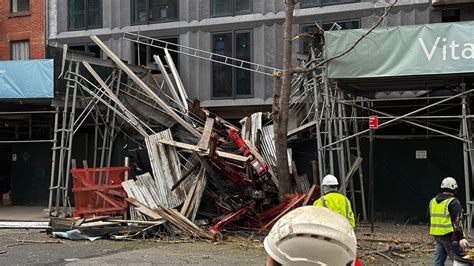

Insteadlaw - Hey there! Let's dive into something really important that can happen on construction sites: scaffolding collapses. It's a scary thought, right? When scaffolding suddenly gives way, it's not just the workers on it who can get hurt; innocent bystanders or people on neighboring properties can also be impacted. That's where the idea of a construction scaffolding collapse third party claim comes into play. It’s all about who is responsible and how those not directly employed by the construction company can seek compensation.
Imagine a busy construction zone, like the one you might see in Cologne, Germany, with all the equipment ready to go. Construction is a massive undertaking, involving buildings, infrastructure, and so much more. But sometimes, even with all the planning, things go wrong. And when a scaffold falls, it can have devastating consequences for anyone in its path who wasn't directly involved in the building process itself.
What Exactly is a Third-Party Claim?
So, what's a third party in this context? Simply put, it's anyone who isn't one of the main parties in a contract, like the property owner or the main construction company. In a scaffolding collapse scenario, if you're a pedestrian walking by, a shop owner whose window gets smashed, or even a worker from a different subcontracting company not directly responsible for that specific scaffold, you're likely considered a third party. Your claim is against the party or parties deemed at fault for the collapse.
This is different from a direct worker's compensation claim. Those are usually handled between the injured worker and their employer. A third-party claim, however, is when you, as an outsider to the primary agreement, have been harmed due to the negligence of one of the parties involved in the construction project. It’s about holding the right people accountable for your injuries or damages.
Common Causes of Scaffolding Collapses
Why do these collapses happen in the first place? It's rarely just one thing; it's usually a combination of factors. Poor assembly is a big one. Scaffolding has to be put up just right, following strict safety guidelines. If it's not, it's a disaster waiting to happen.
Another major culprit is inadequate maintenance and inspection. Scaffolds need regular checks to make sure all the bolts are tight, the planks are sound, and everything is structurally stable. Overloading the scaffold with too much weight, be it materials or workers, is also a common reason for failure. Ignoring these aspects dramatically increases the risk.
The Role of Negligence
The core of any successful third-party claim often boils down to proving negligence. This means showing that someone or some entity involved in the construction project failed to exercise a reasonable level of care, and this failure directly led to the scaffolding collapse and your resulting harm. It’s not enough to just say something bad happened; you have to show *why* it happened due to someone's carelessness.
This could involve a variety of parties. Maybe the scaffolding company itself didn't follow proper safety protocols when erecting or dismantling the structure. Perhaps the general contractor failed to supervise the site adequately or ensure that safety regulations were being met by all subcontractors. Even the property owner could be held liable if they were aware of dangerous conditions and didn't take action.
Who Can Be Sued in a Third-Party Claim?
Identifying the responsible parties is crucial. It’s not always obvious. You might be looking at the scaffolding erection company, the general contractor overseeing the entire project, the specific subcontractor whose work directly led to the unsafe condition, or even the manufacturer of faulty scaffolding components. In some cases, the property owner might also share some responsibility.
The goal is to pinpoint exactly where the breakdown in safety occurred. Often, legal teams will investigate thoroughly to determine all potentially liable parties. This ensures that all avenues for recovery are explored, maximizing the chances of a fair settlement or judgment. It’s a complex puzzle, and piecing it together requires expert legal knowledge.
Gathering Evidence is Key
If you've been injured as a third party due to a scaffolding collapse, gathering evidence is your first and most important step. This includes documenting your injuries thoroughly – think medical records, doctor's visits, and bills. You’ll also want to document any property damage you sustained, like a damaged car or business inventory.
Photographs and videos of the scene are incredibly valuable. Capture the collapsed scaffolding, the surrounding area, and any visible signs of what might have caused it. If there were any witnesses, their contact information is gold. The sooner you can collect this information, the stronger your case will be. Don't delay!
The Legal Process for Third-Party Claims
Navigating the legal system after such an incident can feel overwhelming. Typically, the process begins with filing a claim with the insurance company of the party you believe is at fault. This often involves sending a demand letter outlining your injuries, damages, and why you believe they are liable.
If the insurance company isn't willing to offer a fair settlement, the next step might be filing a lawsuit. This initiates a more formal legal process that can involve discovery (exchanging information and evidence), depositions (sworn testimony), and potentially a trial. It's a marathon, not a sprint, and it requires patience and persistence.
Why You Need an Attorney
Honestly, trying to handle a construction scaffolding collapse third-party claim on your own is a really tough road. These cases are legally complex, involving intricate knowledge of construction safety standards, negligence laws, and insurance claim procedures. Attorneys who specialize in these types of personal injury cases have the experience to investigate thoroughly, identify all responsible parties, and negotiate effectively with insurance adjusters.
A good lawyer will be your advocate, fighting to ensure you receive the compensation you deserve for your medical bills, lost wages, pain and suffering, and any other damages. They understand the nuances of these claims and can help you avoid common pitfalls that could jeopardize your case. It’s an investment in getting the best possible outcome.
What Kind of Damages Can You Recover?
If your claim is successful, you could be entitled to several types of damages. These are meant to compensate you for your losses. Medical expenses are usually a primary concern, covering everything from emergency room visits to ongoing physical therapy and medication.
Lost income is another significant category. If your injuries prevented you from working, you can seek compensation for the wages you've lost and any future earnings you might lose due to long-term effects of the injury. Beyond these quantifiable losses, you can also seek compensation for pain and suffering, which accounts for the physical pain and emotional distress you've endured.
Preventing Future Incidents
While this article focuses on claims after the fact, it's vital to remember that prevention is paramount. Strict adherence to safety regulations, proper training for workers, regular and thorough inspections of scaffolding, and using quality materials are non-negotiable. When these are prioritized, the risk of a devastating collapse like the kind that might occur on a construction site in Cologne, Germany, is significantly reduced.
Construction is an industry that demands constant vigilance. By understanding the potential dangers and the legal recourse available, we can all contribute to safer worksites and better outcomes for everyone involved, especially those who are simply in the wrong place at the wrong time.
Frequently Asked Questions (FAQ)
What is a third party in a construction scaffolding collapse claim?
A third party is someone who is not directly involved in the primary contract of the construction project, such as a pedestrian, a neighboring business owner, or a worker from a different subcontractor not responsible for the faulty scaffolding. They are typically harmed due to the negligence of the parties involved in the construction.
What are the common causes of scaffolding collapses?
Common causes include improper assembly and erection, lack of regular maintenance and inspection, overloading the scaffold with too much weight, and using damaged or substandard materials. Failure to follow safety regulations is often a root cause.
Who can be held liable for a scaffolding collapse?
Liability can fall on various parties, including the scaffolding erection company, the general contractor, specific subcontractors whose work created a hazard, or even the property owner if they were aware of dangerous conditions and failed to act. Sometimes, the manufacturer of faulty scaffolding components can also be liable.
What evidence is important for a third-party claim?
Crucial evidence includes documentation of injuries (medical records, bills), evidence of property damage, photographs and videos of the collapse scene, witness contact information, and any safety reports or inspection logs related to the scaffolding.
What types of damages can a third party recover?
A third party can typically recover damages for medical expenses, lost income (both past and future), pain and suffering, emotional distress, and any property damage incurred as a direct result of the scaffolding collapse.
Why is it important to hire an attorney for a third-party scaffolding claim?
Construction scaffolding collapse claims are legally complex. An experienced attorney can help investigate the incident, identify all liable parties, gather necessary evidence, navigate insurance negotiations, and represent your best interests in court to ensure you receive fair compensation.
Written by: Emma Johnson