
Insteadlaw - So, your engineering firm is facing a structural building defect lawsuit. It's a situation nobody wants to be in, but it happens. These cases can be complex, involving intricate technical details and significant financial implications. Understanding the landscape, your role, and how to approach such a lawsuit is crucial for protecting your firm's reputation and bottom line.
When a building's structural integrity is called into question, it often leads to costly repairs and, unfortunately, legal battles. This is where engineering firms can find themselves in the crosshairs, especially if their designs or inspections are alleged to be the cause of the problem. We're going to break down what you need to know about these kinds of lawsuits.
Understanding Structural Building Defects
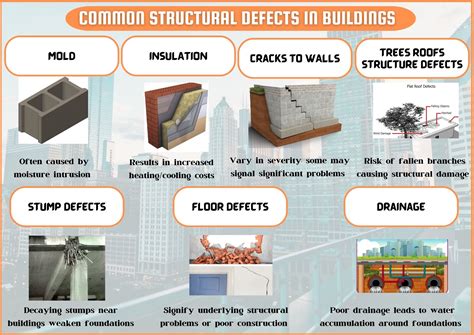
What exactly are we talking about when we say "structural building defects"? These aren't just minor cosmetic issues like a scratch on a wall. We're referring to problems with the fundamental load-bearing elements of a building. Think issues with foundations, beams, columns, walls, or roofs that compromise the building's safety and stability.
These defects can manifest in various ways. You might see cracks in concrete, sagging floors, water intrusion due to poor sealing, or even evidence of settling that affects the entire structure. Identifying the root cause is often the first major hurdle in any defect claim.
The Role of the Engineering Firm
Your firm plays a vital role throughout the lifecycle of a building project. You're responsible for designing safe and sound structures, ensuring they meet all relevant building codes and standards. Furthermore, many firms are involved in site inspections during construction to verify that the work is being performed according to the design specifications.
This involvement means that when a structural defect arises, an engineering firm's expertise is often essential to determine if the design was flawed, if the construction deviated from the design, or if there was an issue with maintenance or external factors. Your professional judgment and documentation are key.
Common Causes of Structural Defects
The reasons behind structural defects are varied. Sometimes, it's a simple case of poor materials being used, which can degrade faster than expected. Other times, it's about inadequate design that didn't account for specific loads or environmental conditions, like seismic activity or high winds.
We also see issues arising from improper construction techniques or a lack of quality control on the job site. Even unforeseen soil conditions or natural disasters can contribute to structural problems that weren't originally anticipated in the design phase.
The Lawsuit Process: What to Expect
If a lawsuit is filed, it typically starts with a complaint outlining the alleged defects and the damages incurred. This will likely name various parties, including the developer, contractor, and potentially your engineering firm. It's not unusual for multiple parties to be involved in these complex cases.
Following the initial complaint, there's usually a period of discovery. This is where both sides gather evidence. For your firm, this means producing design documents, reports, correspondence, and any other relevant project records. You'll likely be asked to provide sworn testimony or depositions.
Your Firm's Defense Strategy
A strong defense starts with thoroughly understanding the claims made against your firm. You need to meticulously review the project documentation and compare it against the allegations. Was the design sound? Were the inspections performed adequately and documented properly? These are critical questions.
Engaging experienced legal counsel specializing in construction law and professional liability is paramount. They can help you interpret the legal arguments, guide you through the discovery process, and formulate the most effective defense strategy based on the evidence.
The Importance of Documentation
We can't stress this enough: good documentation is your best friend. Every drawing, calculation, report, email, and site visit record is a piece of evidence. Clear, concise, and contemporaneous records can be instrumental in demonstrating that your firm acted professionally and competently throughout the project.
Conversely, missing or poorly organized documentation can make your defense much more challenging. It's why maintaining robust record-keeping systems isn't just good practice; it's essential risk management for engineering firms.
Engaging Expert Witnesses
In structural defect cases, expert witnesses are almost always necessary. These are typically other experienced engineers who can analyze the technical aspects of the case. They'll review the original designs, the alleged defects, and the construction to provide an independent opinion on the cause and responsibility.
Your firm might be asked to recommend or work with an expert witness to support your defense. Conversely, the opposing side will likely have their own experts. The battle of experts is often a key determinant in the outcome of these lawsuits.
Mitigating Risks and Future Prevention
Beyond defending against current lawsuits, it's vital to think about how to prevent future issues. Regularly reviewing your firm's design processes, quality control measures, and inspection protocols can identify potential weaknesses. Staying updated on the latest building codes and best practices is also crucial.
Investing in continuing education for your staff and fostering a culture of meticulous attention to detail can go a long way. Happy clients and safe buildings are the best defense against litigation. Thinking ahead like this can save your firm a lot of headaches down the road.
Professional Liability Insurance
Having adequate professional liability insurance, often called Errors & Omissions (E&O) insurance, is non-negotiable for engineering firms. This insurance is designed to protect your firm financially if you're found liable for damages resulting from your professional services.
Make sure your policy limits are sufficient to cover potential claims and that you understand the coverage details. It's a critical safety net for any firm offering design or consulting services in the construction industry.
The Role of Technology and Tools
In today's world, technology plays a significant role in managing projects and, by extension, in litigation. Tools like Building Information Modeling (BIM) can help detect design clashes early on, reducing the likelihood of structural issues. Cloud-based document management systems, similar to how one might use Google Docs for collaboration, can ensure all project stakeholders have access to the latest approved plans and reports.
These digital tools not only streamline communication and improve accuracy during the design and construction phases but also create a more robust and easily retrievable digital trail of project history. This can be invaluable when defending against claims.
Settlement vs. Trial
Not all lawsuits end up going to trial. Many are settled out of court. A settlement involves the parties agreeing on a resolution, often involving a financial payment, without a judge or jury making a final decision. This can save time, money, and the uncertainty of a trial verdict.
Your legal team will advise you on the best course of action, weighing the strengths of your defense against the costs and risks of a trial. Settlement negotiations are a standard part of the litigation process.
Conclusion: Proactive Measures for Engineering Firms
Facing a structural building defect lawsuit is undoubtedly stressful, but it's a challenge that can be managed effectively. By understanding the nature of these claims, maintaining impeccable documentation, working closely with legal and expert professionals, and implementing robust risk management practices, your engineering firm can navigate these difficult situations.
Remember, the goal is not just to defend yourself when a problem arises, but to build a strong foundation of quality, care, and clear communication from the outset of every project. This proactive approach is the most powerful tool in your arsenal.
Frequently Asked Questions (FAQ)
What is considered a structural building defect?
A structural building defect is a flaw in the load-bearing components of a building, such as the foundation, walls, beams, columns, or roof, that compromises its safety, stability, or integrity.
What is the role of an engineering firm in a structural defect lawsuit?
An engineering firm's role can involve providing expert testimony on design adequacy, construction quality, and the cause of defects. They may also be defendants if their design or inspection services are alleged to be deficient.
How can an engineering firm defend itself in a structural defect lawsuit?
Defense typically involves meticulous review of project documentation, engaging expert witnesses, and presenting evidence that demonstrates adherence to professional standards and codes. Strong legal counsel is also essential.
What is the importance of documentation in these cases?
Documentation is critical as it provides a factual record of the design process, inspections, communications, and decisions made. It's often the primary evidence used to support or refute claims.
What is professional liability insurance?
Professional liability insurance, also known as Errors & Omissions (E&O) insurance, protects engineering firms from claims of negligence or inadequate professional services that result in financial loss for clients.
Can engineering firms prevent structural defect lawsuits?
While lawsuits can't always be prevented, firms can significantly reduce their risk by maintaining high design and inspection standards, ensuring thorough documentation, staying updated on codes, and fostering a culture of quality control.
Written by: Emily Taylor